I created this workout routine with a good friend of mine a couple of summers ago. This program is your typical 5-day bro split, hitting every angle of each muscle once per week. It’s structured with the perfect combination of high volume and compound movements meant to add weight and shape to your frame.
Keep in mind this is geared more towards those who have a couple years of training under their belt due to the numerous amount of sets and reps it contains. If you are fairly new to weight lifting, pay more attention to the structure and intention of each workout and incorporate it into your own program.
For any type of high volume training routine, always make sure you are properly rested and fueled before and after each workout.
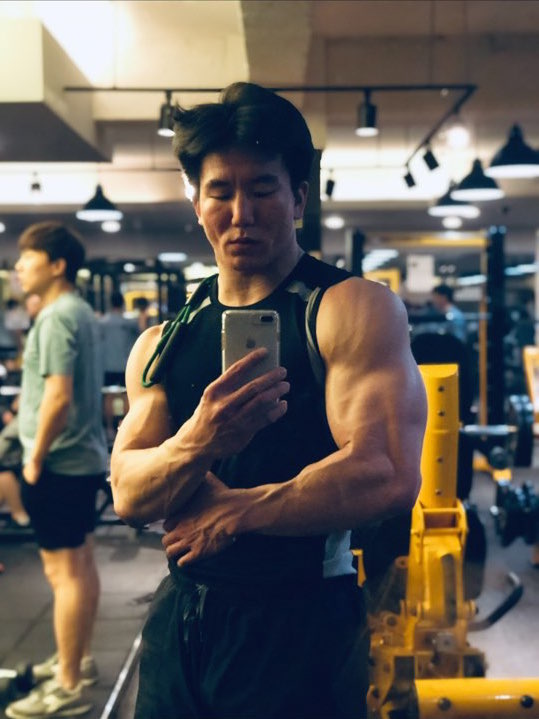
Fred Yang
https://www.instagram.com/flexlikefred/
Schedule
Day 1 - Chest
Day 2 - Back
Day 3 - Legs
Day 4 - Shoulder
Day 5 - Arms
Day 6 - Rest or Active Rest/Cardio/Abs
Day 7 - Rest
Chest Day
Warm Up:
Pull Ups – 4 Sets | 7-12 Reps
Workout:
1. Flat Bench – 4 Sets | 12,10,8,6 Pyramid
2. Incline Bench – 4 Sets | 12,10,8,6 Pyramid
3. Incline Dumbbell Bench – 4 Sets | 8-12 Reps
4. Pec Deck Fly Machine – 3 Sets | 10-12 Reps
5. Incline Hammer Strength Machine – 3 Sets | Burnout Until Failure
6. Cable Chest Fly – 3 Sets | 10-12 Reps
7. Dips – 3 Sets | Burnout Until Failure
Cool Down:
Stretching – 10/15 Minutes
Duration:
1 Hour 15 Min.
We start every workout with Pull-Ups for several reasons. First, to warm up the joints and muscles while getting the mind honed in for the workout. And second, Pull-Ups are arguably the best functional upper-body, body weight exercise you can do.
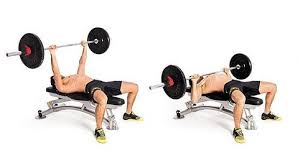
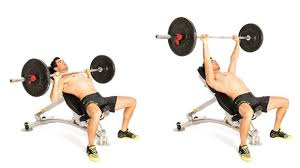
Flat/Incline Bench – The best compound movements for the chest. The focus for compound movements should always be on gaining strength. Performing Pyramid Sets (progressively increasing the weight each set while decreasing the number of reps) will help to achieve the perfect balance of hypertrophy training and strength training. It also naturally warms up your joints for the heavier sets, resulting in less chances of injury.
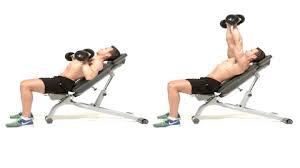
Incline Dumbbell Bench – This exercise is great for unilateral strength training. It ensures that your non dominant side is working equally as hard as its counterpart, thus fixing any muscular imbalances you may have previously attained. Furthermore, any type of Dumbbell Bench work will demand the activation of your stabilizing muscles in order to keep the weight balanced above you. Pick a weight that is moderately heavy so that you can fixate mainly on the mind muscle connection. The main purpose of this movement is to shape your upper chest and activate all the upper chest fibers that weren’t targeted from the previous exercise.
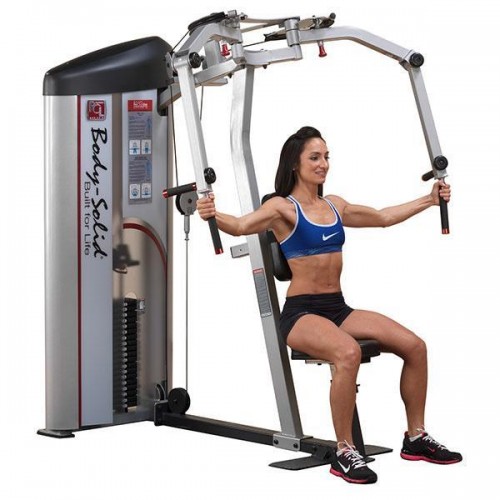
Pec Deck Fly Machine – A high-priority exercise for thickening the inner part of your chest. Unlike the Dumbbell Chest Fly, the Pec Deck Machine enables you to focus almost entirely on the “squeeze” during the concentric phase of the movement. The intention of this workout is to give you a break from all the heavy pressing you did earlier, while still activating your chest.
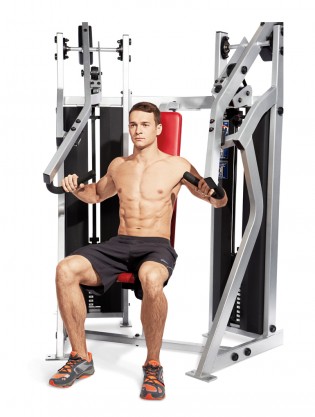
Incline Hammer Strength Machine – Utilized to target the upper chest while lowering chances of injury. Put on a weight where you can perform a minimum of 12 reps and burn out as many reps possible. We’re getting towards the part of the workout where we want to deplete our muscles of whatever glycogen is left. Even though it’s a “burnout” set, keep your form tight and focus on each contraction at the top of the movement.
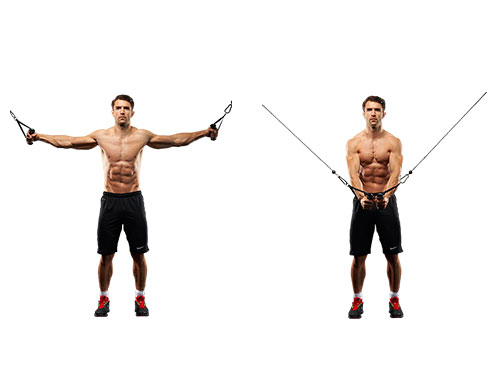
Cable Chest Fly – Another great alternative to any sort of chest fly movement. The main quirk about the Cable Chest Fly is that you can adjust the angle and range of the movement. Depending on your physique, adjust the cables to target the area of your chest that needs more development.
- High Cable Fly – targets the lower and outer chest
- Middle Cable Fly – targets the inner chest
- Low Cable Fly – targets the upper chest
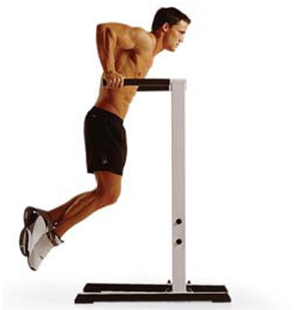
Dips – Bodyweight exercise that develops the triceps, shoulders, and lower chest. This exercise, too, can be executed in different ways, targeting different muscles. If dips are too challenging for you, push ups are a good alternative.
- Narrow Grip – more tricep activation
- Wide Grip – more chest activation
BACK DAY
Warm Up:
Pull Ups – 4 Sets | 7-12 Reps
Workout:
1. Deadlift – 4 Sets | 8-12 Reps
2. Stiff-Leg Deadlift – 4 Sets | 8-12 Reps
3. Seated Cable Row – 4 Sets | 8-12 Reps
4. Hammer Grip Lat Pull Down – 4 Sets | 8-12 Reps
5. Lat Pull Down – 3 Drop Sets | 10 Reps (Neutral Grip). 8 Reps (Wide Grip)
6. Bent Over Dumbbell Row – 4 Sets | 8-10 Reps
7. Standing Bent Over Dumbbell Row – 4 Sets | 8-10 Reps
8. Upright Cable Row – 4 Sets | 12-15 Reps
Cooldown:
Stretching – 10/15 Minutes
Duration:
1 Hour 30 Min.
The approach we took for growing our back was to build it from the bottom up. We essentially started off our workout with heavy compound lifts for the lower back and worked our way up to the traps.
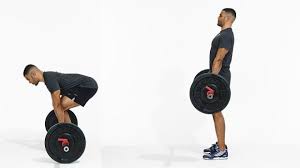
Deadlift – Considered to be one of the “Holy Trinity” exercises in all of weight training, the deadlift is a heavy compound lift that will help strengthen your posterior chain. The posterior chain includes some of the biggest and strongest muscles in our entire body and plays a huge role in everyday activities such as picking something up off the ground, sitting and standing, or jumping. When performed correctly, the deadlift can reduce injury risk and improve posture. Invest time into perfecting your form before moving onto heavier weights.
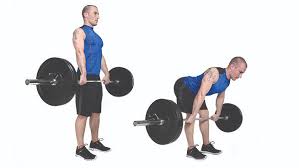
Romanian Deadlift – An alternative variation of the deadlift that targets more of your hamstrings, glutes and lower back. In constrast to the Conventional Deadlift which requires knee flexion (more quad involvement), this movement is performed with the knees in a more straight position. The amount of weight you can lift will be substantially less than that of the conventional deadlift due to the latter involving more muscle groups overall. Slowly control the weight on its way down and don’t let the bar drift too far from your body. At this point, your lower back should feel very tight.
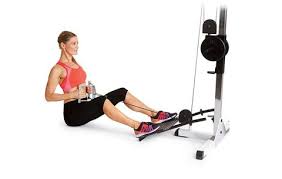
Seated Cable Row – An isolation movement that targets the mid and upper back. This exercise can be modified to hit different parts of your back by changing the type of grip used. Look to keep your shoulders retracted and pull with your elbows as you squeeze your back.
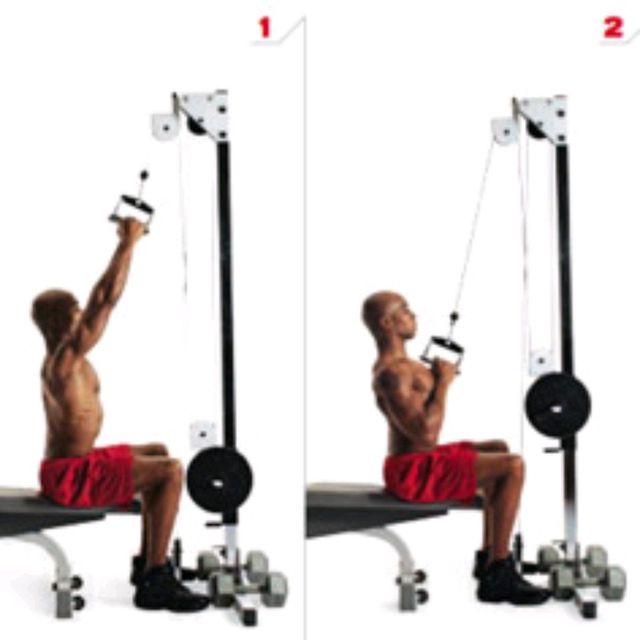
Hammer Grip Lat Pull Down – Great exercise for overall thickness and achieving that christmas tree look in your lower back. Keep your chest up and pull the grip down to the lower part of your chest.
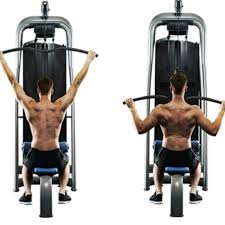
Lat Pull Down – Other than the weighted pull up, the Lat Pull Down is probably one of the best exercises for developing a wider back. Perform 10 reps with a neutral grip (shoulder width) on a weight that is relatively challenging. Immediately after, drop the weight down 20 lbs and perform 8 more reps with a wider grip. If done correctly, the last 8 reps should feel like hell.
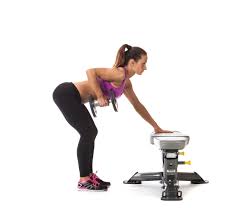
Bent Over Dumbbell Row – Compound movement that mainly targets the latissimus dorsi (lats) while engaging the upper and lower back, shoulder, bicep and core muscles. Leaning on a bench with one arm for stability will allow you to lift more weight. Keep in mind that this exercise is more about the range of motion than the weight. Feel the stretch in your lats as you bring the weight down and pull with your elbows and lats (not your biceps) on the way up.
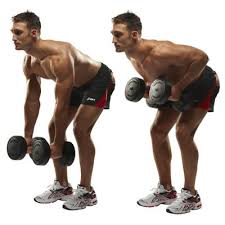
Standing Bent Over Dumbbell Row – A variation of the Bent Over Dumbbell Row. Performing this exercise in different ways will yield different results.
- Pulling the weight lower along your back – will target the lats more
- Pulling the weight higher along your back – will target the muscles surrounding the mid line going down your mid-upper back
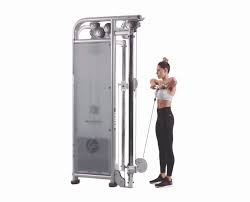
Upright Cable Row – Exercise for shoulder and trap development. I personally enjoy using the cables rather than a loaded bar for several reasons. One, there’s a less chance of injury. And two, I find that I can take my shoulders out of the equation and feel the tension almost entirely on my traps.
LEG DAY
Warm Up:
Stationary Bike – 10 Minutes
Workout:
1. Squats – 5 Sets | 12,10,8,8,6 Pyramid
2. Leg Press Machine – 4 Sets | 15,15,10,8 Pyramid
[Super Set]
3. Goblet Squats – 3 Sets | 10-12 Reps
3. Dumbbell Walking Lunges – 3 Sets | 8 Reps Each Leg
4. Leg Extension Machine – 3 Sets | 10-12 Reps
5. Lying Hamstring Curl – 4 Sets | 10-12 Reps
6. Romanian Deadlift – 4 Sets | 8-10 Reps
7. Hip Thrusts – 4 Sets | 8-10 Reps
[Super Set]
8. Weighted Seated Calf Raises – 4 Sets | 15-20 Reps
8. Weighted Standing Calf Raises – 4 Sets | 8-10 Reps
Cooldown:
Stretching – 10/15 Minutes
Duration:
1 Hour 30 Min.
Start off each leg workout with an ample warmup. If 10 to 15 minutes on the stationary bike is not enough to get the blood flowing through your lower body, I recommend doing a couple of light sets on the leg extension machine (read below on leg extensions if you are an athlete). Once you arrive at the squat rack, always complete a set or two of lighter weight to get your knees accustomed to the weight and movement.
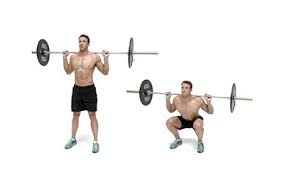
Squats – The bread and butter to not only growing size in your legs, but also the rest of your body. The intense nature of the squat recruits a multitude of muscle groups, creating an anabolic environment in your body and releasing hormones: these hormones, such as testosterone, is key when it comes to the growth of muscle tissue. Take the time to learn proper form and worry about the weight later. It won’t be long before you reap the benefits from doing so.
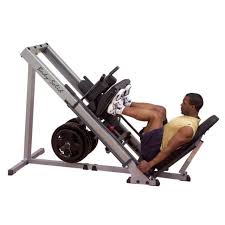
Leg Press Machine – Although inferior to the Squats, the Leg Press, similar to most machines, is a safe alternative for overall leg development. The main benefit of this exercise is that your core doesn’t have to stabilize any sort of bar or weight, and thus allows you to lift more. In order to avoid any knee injury, avoid locking out your knees at the top of the movement and push the weight up with your heels. Also, bringing the weight down so low as to where your ass comes off the pad can lead to unwanted back pain. Foot placement (high or low) will vary for each individual as a result of differences in height as well as work different muscle groups.
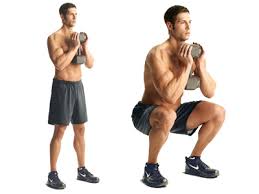
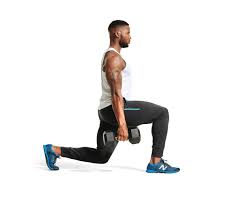
Goblet Squats & Dumbbell Walking Lunges – Two exercises that improves strength in your quads, hip flexors, and core. This super set is absolutely killer! Immediately after you perform the Goblet Squats, grab two dumbbells or plates, and proceed to completing your walking lunges. If you have limited ankle mobility, standing on a 25lb plate with only your heels will help you achieve a greater range of motion when doing the Goblet Squats. Try limiting your rest time between each set to 45 seconds max.
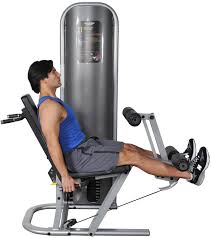
Leg Extension Machine – Great isolation movement for the quads. The sole purpose of this movement is to pump blood into your thighs. If you are an athlete or commonly play sports, look to avoid this exercise. Most real life actions don’t involve knee extension; even kicking a soccer ball, for example, starts with an aggressive drive of the hip, not the knee. Any form of a weighted step up is a notable substitute.
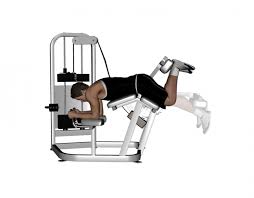
Lying Hamstring Curl – An accessory exercise meant to strengthen your hamstrings. This exercise is pretty much self explanatory. Having strong hamstrings will prevent knee injuries as they work to stabilize your knee during impact from the posterior side. A sizable majority of the ACL tears you see occurring in professional sports are due to a combination of continuous wear and tear, muscular imbalances surrounding the knee, and insufficient rest/healing from previous injuries.
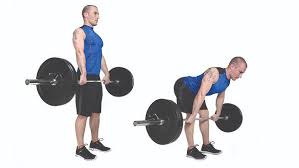
Romanian Deadlift – An alternative variation of the deadlift that targets more of your hamstrings, glutes and lower back. In constrast to the Conventional Deadlift which requires knee flexion (more quad involvement), this movement is performed with the knees in a more straight position. The amount of weight you can lift will be substantially less than that of the conventional deadlift due to the latter involving more muscle groups overall. Slowly control the weight on its way down and don’t let the bar drift too far from your body.
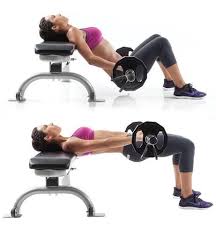
Hip Thrusts – One of the best glute building exercises. The proof is in the pudding with this one. How many times have you seen females doing this exercise week in and week out? I highly suggest learning this movement for anyone who wants to develop their glutes. Flex your glutes at the top of the movement as you simultaneously engage your hamstrings to keep the bar parallel to the ground. Bring a towel or pad to place under the bar to reduce pain on your pelvic bone.
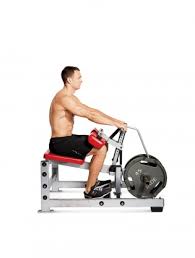
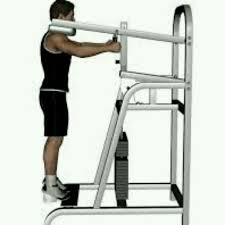
Weighted Sitting & Standing Calf Raises – Two exercises that will strengthen different parts of the calf. Our calves are primarily made up of two muscles — the soleus (majority slow twitch muscle fiber) and the gastrocnemius (majority fast twitch muscle fiber).
- Slow Twitch Muscle Fibers – Muscle fibers that specialize in being energy efficient. These type of muscle fibers utilize oxidative metabolism and contain an abundance of mitochondria in order to be more fatigue resistant. Inside each mitochondria is a lot of heme (protein in blood). This causes slow twitch fibers to appear dark/red and is the reason why we call chicken drumsticks and thighs — parts of the chicken that need to be energy efficient — “dark meat”.
- Fast Twitch Muscle Fibers – Muscle fibers that utilize glycogen for energy. These type of muscle fibers contain a significantly less amount of mitochondria and fatigue quickly, resulting in the muscle looking white. This is also the reason why chickens cannot fly far: their breasts are made up of fast twitch muscle fibers.
The Seated Calf Raise, due to the knee being in a bent position, will target mainly the soleus muscle, whereas the Standing Calf Raise will target the gastrocnemius muscle. Look to perform a high number of slow and controlled reps for the Seated Calf Raise and a relatively lower number of fast and explosive reps for the Standing Calf Raise.
SHOULDER DAY
Warm Up:
Pull Ups – 4 Sets | 7-12 Reps
Workout:
1.Seated Dumbbell Shoulder Press – 4 Sets | 10,8,8,6 Pyramid
2. Seated Dumbbell Arnold Shoulder Press – 4 Sets | 8-12 Reps
3. One Arm Side Lateral Raise – 4 Sets | 8-12 Reps
[Super Set]
4. Dumbbell Side Lateral Raise – 4 Sets | 8 Reps
4. Dumbbell Front Lateral Raise – 4 Sets | 8 Reps
5. Rear Delt Fly Machine – 4 Sets | 10-12 Reps
6. Face Pulls – 4 Sets | 10-12 Reps
Cooldown:
Stretching – 10/15 Minutes
Duration:
1 Hour 15 Min.
The idea behind our shoulder day was to attack all three heads of the shoulder — anterior (front), lateral (side), and posterior (rear).
If you often wonder why your shoulders don’t have that rounded “boulder” look, it’s most likely because you are neglecting one head or the other in your training.
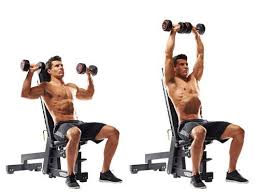
Seated Dumbbell Shoulder Press – A compound movement that mainly targets the anterior deltoid of the shoulders and triceps. This exercise will work your stabilizer muscles in addition to managing symmetry within your shoulders. For more core and lower back activation, typically favored by advocates of the Standing Military Press, keep your back upright off the seat as you lift the dumbbells.
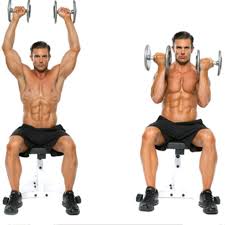
Seated Dumbbell Arnold Shoulder Press – More commonly known for its name, this exercise was modified to hit more areas of the shoulder by pronating/supinating your palms as you lift and lower the weight. Make it a priority to understand the mechanics and technique for this exercise: the added twisting motion will undoubtedly tax the shoulder joints. It’s best to leave your ego at the door for this particular movement.
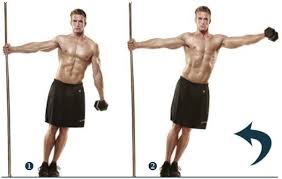
One Arm Side Lateral Raise – An effective shoulder-strengthening movement purposed to isolate the the lateral (side) head of the deltoid. Hang on to an incline bench as you lean to one side and pull the dumbbell up until your arm is parallel to the ground. For a deeper contraction of the lateral delt, lead the weight with your elbows (slightly bent) and have your pinkies positioned higher than your thumb. The goal of this exercise is to go as heavy as possible while maintaining strict form.
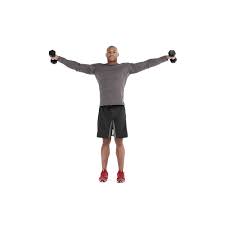
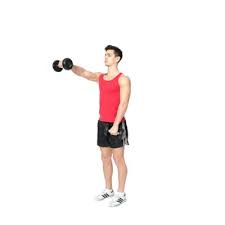
Dumbbell Side Lateral Raise & Dumbbell Front Lateral Raise – Two exercises that will help develop the anterior and lateral heads of the shoulder. Perform the Dumbbell Side Lateral Raise (an almost identical motion to the previous exercise) and immediately transition to doing the Dumbbell Front Lateral Raise (hammer grip).
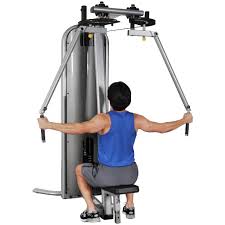
Rear Delt Fly Machine – An excellent exercise for the rear part of the shoulder. Adjust the seat so that the handles are at shoulder level and keep your shoulders protracted as you perform this movement. Healthy rear delt development plays a vital role in preventing the shoulders from hunching forward.
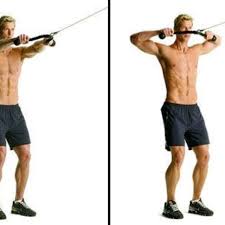
Face Pulls – A chief exercise for strengthening the rear delts that often gets overlooked. Adjust the cable machine so that the rope attachment is between your upper chest and face height, or even a little higher. There should be a slight bend in your knees as you pull the rope towards your face. You are essentially trying to simulate a back double bicep pose.
ARM DAY
Warm Up:
Pull Ups – 4 Sets | 7-12 Reps
Workout:
1.Close Grip Bench Press – 4 Sets | 10,8,8,6 Pyramid
2. Barbell Curl – 4 Sets | 8-12 Reps
3. Skull Crusher – 4 Sets | 8-12 Reps
4. Dumbell Hammer Curl – 4 Sets | 6-8 Reps
5. Tricep Rope Pull Downs – 4 Sets | 10-12 Reps
6. Preacher Curl – 3 Sets | 8-10 Reps
7. 7-7-7’s – 3 Sets | 21 Reps
[Super Set|
8. Dips – 3 Sets | Burnout Until Failure
8. Close Grip Push Ups – 3 Sets | Burnout Until Failure
Cooldown:
Stretching – 10/15 Minutes
Duration:
1 Hour 15 Min.
No need for much explanation here. Having an arm day is the most inviting aspect of this routine. Carefully pick out which tank you’re going to wear and head to the gym.
 davigravi