IIFYM, more commonly known as If It Fits Your Macros, is a type of flexible dieting that has gained a lot of popularity and traction in the fitness world as of late.
This way of dieting permits you to be a lot more flexible when it comes to choosing the types of foods you want to eat while pursuing a fitness goal. More often than not, fad diets that require you to constantly eat salads or consume little to no carbs are hard to sustain and cause the body to rebound shortly after. IIFYM, however, allows us to pick and choose the foods we want to eat, ultimately keeping the diet more sustainable.

Macronutrients are the nutritional compounds our bodies need in large amounts for energy and the ability to function properly. The three main macronutrients our bodies need and break down are:
Carbohydrates – 4 calories per gram
Proteins – 4 calories per gram
Fats – 9 calories per gram
How To Get Started
- Calculate your macros: calculations are used to determine the amount of carbs, proteins, and fats your body needs in order to reach your fitness goals
- Meet your macros: once your macros have been determined, you will need to stay within those numbers each day
Macro Calculators:
Although fairly accurate, these calculators are not perfect. For the most optimal results, you will have to do some adjusting to these numbers.
Why You Should Adjust Your Numbers
Depending on your metabolism and activity expenditure (both are different and difficult to measure for each individual), the total number of calories recommended by the calculator may be higher or lower than what you want your actual number to be. This is important, because you may be cutting yourself too short on calories or giving yourself too many calories at the beginning of a weight loss/gain phase.
Easiest Way To Adjust
Find your maintenance calories – the number of calories our body burns on a daily basis to maintain our weight. The best way to find this number is through trial and error (takes about a week or two). Start by consuming an X amount of calories (based off the number given by the calculator and your own understanding of how fast your metabolism is) every day for a whole week.
If there is no substantial change in your weight by week’s end, that means your RMR + energy expenditure burns about X amount of calories per day, offsetting the calories you consumed and giving you your maintenance calories. If weight changes more or less by a lb. at the end of the week, that typically means you are consuming 500 calories too little or too much per day.
[ 500 cals x 7 days = 3500 cals || 3500 cals = 1 lb ]
Keep in mind that our bodies lose and gain weight (water weight) rapidly due to the initial changes in sodium intake or outtake. Don’t go adjusting calories prematurely just because your weight changed by a couple of lbs., especially when introducing your body to a new diet. Give your body a couple days to adjust to new sodium levels and you will start to see weight fluctuations level off.
Tip: Weigh yourself at the same time every day for more consistent measurements. Doing this in the morning on an empty stomach seems to be the best way.
Once you find your maintenance calories, you can either go 2 ways:
- Add 250/500 calories for weight gain
- Subtract 250/500 calories for weight loss
Establishing Your Macronutrient Ratios
Guidelines:
- Protein intake should be at 1-1.5g per lb of body weight
- Fats should make up 25-30% of your total calories
- Fill in the rest of your calories with carbohydrates
- The general recommended ratio for C/P/F is 40/30/30
Ex:
Individual A: weighs 160lbs
Cutting Calories: 2,300 (based off of macro calculator)
Protein: 160 (bodyweight) x 4 cals = 640 calories | 160g of protein per day | Remaining calories = 1,660
Fats: 2,300 cals x .25 = 575 cals | 575/9 = ~64g of fat per day | Remaining calories = 1,085
Carbs: 1,085cals/4 = ~271g of carbs per day
Tracking Your Macros
In order to track your macros, you will have to download a food tracking app, learn how to read food labels, and invest in a food scale.
Popular Food Tracking Apps
These go for no more than $15 at your local grocery store and are even cheaper on Amazon.com
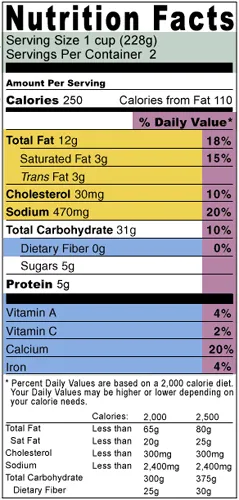
Key things to note:
- 1 serving size is 1 cup or 228g (12 Fat, 31 Carbs, 5 Protein)
- The whole container has a total of 500 calories (24 Fat, 62 Carbs, 10 Protein)
Remember to zero out your scale before weighing the food. For foods that are hard to handle (peanut butter) or when using a spare bowl is an inconvenience, you can always place the original container on the scale, zero it out, and then measure the number of grams as a negative number as you scoop out the food.
What A Typical Day Of IIFYM Looks Like
2300 calories. Macros for the day are 64g of Fat, 160g of Protein, and 271 Carbs.
Breakfast
- 1 packet of oatmeal | 160 calories | 2 Fat. 32 Carbs. 4 Protein.
- 2 fried eggs | 184 calories | 12 Fat. 2 Carbs. 14 Protein.
- Banana | 110 calories | 0 Fat. 30 Carbs. 1 Protein.
- Scoop of Protein | 120 calories | 1 Fat. 3 Carbs. 24 Protein.
(Total: 574 calories. 15 Fat. 67 Carbs. 43 Protein)
Lunch
- White Rice @ Panda Express | 380 calories | 0 Fat. 87 Carbs. 7 Protein
- Teriyaki Chicken @ Panda Express | 300 calories | 13 Fat. 8 Carbs. 36 Protein.
- Orange Chicken @ Panda Express | 380 calories | 18 Fat. 45 Carbs. 14 Protein.
(Total: 1060 calories. 31 Fat. 140 Carbs. 57 Protein)
**After a big meal like this, you’re gonna need to plan your final meals according to your remaining macros**
Remaining Macros: 18 Fat. 64 Carbs. 60 Protein.
Dinner
- 4 ounces of chicken breast | 220 calories | 4 Fat. 0 Carbs. 36 Protein.
- 2/3 cup Vegetable Medley | 50 calories | 0.5 Fat. 10 Carbs. 2 Protein.
(Total: 270 calories. 4.5 Fat. 10 Carbs. 38 Protein)
Snack
- 2 servings of Blue Bell ice cream | 360 calories | 18 Fat. 40 Carbs. 8 Protein.
- Scoop of Protein | 120 calories | 1 Fat. 3 Carbs. 24 Protein.
(Total: 480 calories. 19 Fat. 43 Carbs. 32 Protein)
Macros Hit For The Day: 72 Fat. 260 Carbs. 169 Protein.
It’s okay if you go over or under by 5g for each macronutrient. As long as you’re consistent throughout the week, one bad day wont make or break it. Although not the best example, notice how I tried my best to eat somewhat healthy throughout parts of the day. Doing this is not only good for your well being, but it ensures that you have some room to eat “bad” foods such as ice cream or Panda Express in my case. I also didn’t have to use a food scale much at all on a day like this. The serving size for most of the foods I ate were based on quantity and not by weight in grams.
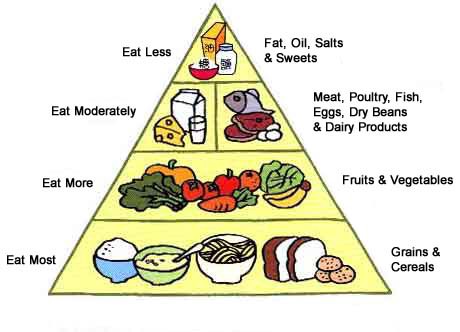
A good rule of thumb is to eat a minimum of 2 servings of vegetables and fruits a day for micronutrient purposes.
Keep In Mind
- IIFYM is a type of dieting that focuses primarily on macronutrients and not micronutrients. It’s recommended that you eat 80% “healthy” foods and only 20% “cheat” foods.
- IIFYM is a diet meant to help keep your sanity. Don’t let one bowl of ice cream turn into four or five.
- It’s okay if your last meal happens to be past 9PM. Although it’s generally better to get your meals in earlier during the day, for the purpose of allowing your body to fully digest, hitting your macros consistently over time (calories in vs. calories out) will manifest in greater results compared to successfully eating your meals on time. If it so happens that you have a late night meal, just be aware that the scale will attract a higher number the next morning.
- IIFYM is not for everyone. People with diabetes that need to watch their carbohydrate intake should not partake in IIFYM, especially without consulting their doctor first.
- At first, it will seem like a hassle weighing out your food, but as the days go by, you will eventually be able to intuitively eye-ball how many macros a meal consists of. This can come in handy later on if you are ever dieting on a trip.
 davigravi